No overselling, no guesswork — just a Ductwork Repair crew that diagnoses it right the first time. Same-day appointments available across Skippack and the surrounding zip codes.
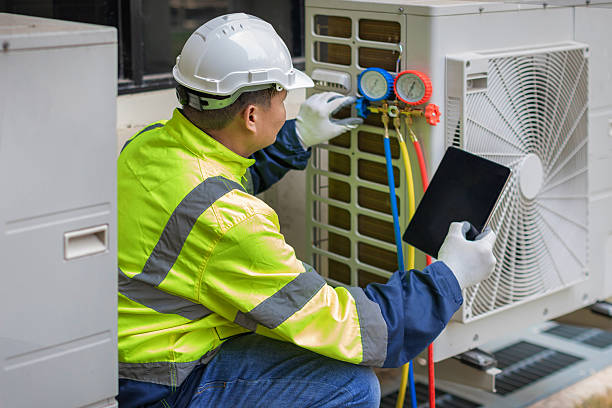
No automated menus for emergencies — a real person handles the call.
A licensed technician arrives, runs a full diagnostic, and explains exactly what's wrong in plain language.
Warranty details are explained clearly so you know exactly what's covered going forward.
Leonard HVAC didn't start as a franchise chasing volume. Every technician we send to your door is background-checked, factory-trained, and licensed to work on the systems installed throughout Skippack, PA.
You won't find us buried under layers of call-center scripts — we're the crew that answers the phone at 2am when your furnace quits in the middle of a cold snap. Every job we run is backed by full liability coverage and current state licensing, and we keep that documentation available on request for every job, residential or commercial.
Being local matters more than most companies let on. That local knowledge shapes the parts we stock on the truck — it's the difference between a tech who's guessing and a tech who's seen your exact situation a hundred times before.
Trust in this industry gets eroded fast, and it takes real consistency to earn it back. That's the gap we built Leonard HVAC to close. Every dispatcher, every technician, and every follow-up call is held to the same standard, because a customer who trusts us once tends to call us again — and Skippack is a small enough community that reputation travels fast.
That local context saves time on every call, because we're not starting from zero on basic questions about your neighborhood or your system. We keep parts inventory stocked based on what actually fails most often on Skippack's housing stock.
Whether it's a mid-summer breakdown or a planned system replacement, our Skippack techs handle it with the same level of care.
Breakdowns rarely happen at a convenient time, which is exactly why our emergency line runs 24 hours a day. Our Skippack dispatch team sends the closest available truck first so a technician is diagnosing your system as fast as physically possible.
If a specialty part genuinely does need to be ordered, we'll set up a safe temporary fix and give you a real timeline instead of leaving you guessing.
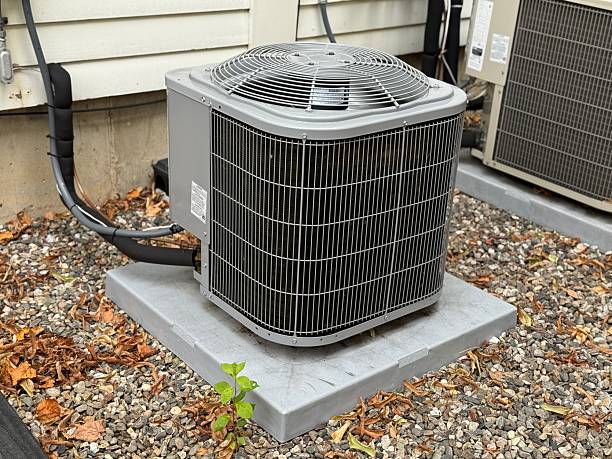
Not every repair call ends in a repair — sometimes the honest recommendation is a properly sized replacement. We walk Skippack homeowners through financing and rebate options where available before a single piece of equipment gets ordered.
Every install ends with a performance test, confirming airflow, temperature split, and refrigerant charge are all where they should be before we consider the job finished.
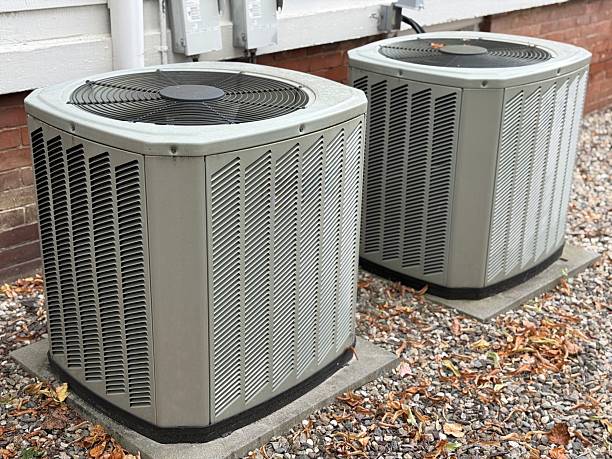
Commercial equipment operates differently than a residential unit, and it needs technicians who actually understand rooftop packages and multi-zone systems. Our commercial division services multi-zone commercial buildouts across Skippack, with priority response for facilities that can't afford downtime.
We understand that a commercial call isn't just about comfort, it's about keeping a business open.
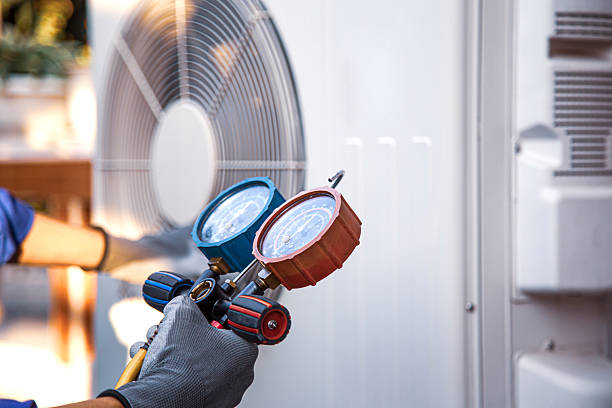
Preventive maintenance is the cheapest repair you'll ever pay for, because it's the one that prevents the bigger bill. Beyond standard tune-ups, we also handle duct cleaning and sealing to stop conditioned air from leaking into attics and crawlspaces for Skippack households that want more than just temperature control.
Maintenance plan members in Skippack get scheduling reminders automatically, so tune-ups don't fall through the cracks during a busy season.
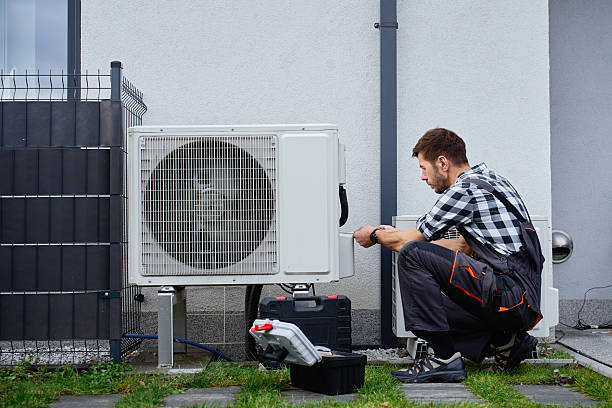
Guarantees only mean something if a company actually honors them, so here's exactly what ours covers.
If the same issue returns within the warranty period, we come back and fix it at no additional labor cost.
We quote a flat rate before work begins and that number doesn't change once you approve it.
If anything feels off after we leave, one call gets a tech back to your Skippack address.
A little attention to how your system is running can save you a lot of money and discomfort.
Rattling during startup often means a component has worked itself loose and needs tightening before it causes real damage.
Weak airflow from the vents often traces back to a clogged filter, a failing blower motor, or leaking ductwork.
Gradual efficiency loss is easy to miss month to month, but it adds up fast over a season.
Short cycling puts extra wear on the compressor and shortens the system's overall lifespan.
A musty smell often points to mold or moisture buildup somewhere in the ductwork.
Repeated repairs on an aging system are usually the clearest sign that replacement will save more money than another patch job.
We explain diagnostic fees and repair estimates before authorizing work.
Dispatchers give you a realistic arrival window instead of a vague "sometime today".
Parts and labor are backed by warranty terms explained in plain language.
Every technician carries current state licensing and manufacturer training.
Photos and plain-language notes accompany every diagnostic.
Replacement systems don't have to be paid in one lump sum.
We don't write these — our customers do.
"The furnace stopped working overnight and someone was at our door before 9am. No pressure to buy a whole new system when a repair was all we needed."
"Scheduled a fall tune-up and they caught a cracked part before it became a real problem. Techs are always polite, always on time, and clean up after themselves."
"They handled the whole install in a single day, exactly like they said they would. Would recommend to anyone in Skippack needing a real replacement, not a patch job."
"As a property manager, having a company that actually answers after-hours calls is rare. Now our go-to for every property in the portfolio."
"The estimate matched the final invoice exactly, down to the dollar. Installation crew was in and out in a day and left the space cleaner than they found it."
"Diagnosed a failed capacitor and had it swapped within the hour. Genuinely relieved to have found a crew that answers when it matters."
Understanding what typically fails helps homeowners know what to watch for and when a repair call is worth making before things get worse.
Skippack's seasonal swings put real stress on a system that isn't maintained regularly. Before the heaviest cooling months hit, it's worth having the refrigerant charge checked, the condenser coils cleaned, and the filter replaced — all of which directly affect how hard the compressor has to work.
Setting a programmable or smart thermostat to a consistent schedule reduces the number of times the system has to work hard to catch up to a big temperature swing. None of this replaces a professional tune-up, but it does reduce the wear that leads to premature breakdowns between visits.
Our technicians train across the major residential and commercial equipment lines, so you're not limited to a single brand's service network. If your system was installed by a different company entirely, that's not a problem — we service equipment regardless of who originally put it in, and we'll pull the model and serial information to confirm parts compatibility before any repair begins.
Here's a look at the kind of experience that shows up at your door.
Handles the majority of Skippack installs and specializes in properly sizing equipment for older housing stock.
Runs point on overnight and weekend emergency calls throughout Skippack.
Focuses on commercial rooftop units, multi-zone systems, and facility maintenance contracts.
Standard appointments are usually scheduled within 24-48 hours, while true emergencies jump the queue.
We explain the diagnostic fee upfront and provide a flat-rate repair quote once the issue is identified.
Yes, no-heat and no-cool situations are treated as priority calls regardless of the hour.
We maintain current credentials because it protects both our customers and our team.
As a general guideline, if a system is past 12-15 years old and facing a costly repair, replacement often makes more financial sense.
Yes, our maintenance plans include seasonal tune-ups, priority scheduling, and discounted repair rates for members.
If you're unsure whether your address falls in our service area, a quick call to +1-866-805-8548 will confirm it.
Our commercial team handles rooftop units, multi-zone systems, and facility contracts alongside our standard residential repair work.
If parts require special ordering for a less common brand, we'll communicate that timeline upfront.
We understand a full system replacement is a significant expense, which is why flexible payment options exist.
Most Skippack homes benefit from two tune-ups a year — one before cooling season and one before heating season.
Check that the thermostat has power and the batteries aren't dead, and check your breaker panel for a tripped switch before calling.
We'd rather quote it honestly on the phone than have you feel ambushed by the bill.
More involved repairs, like a coil replacement or a refrigerant leak repair, take longer and the tech will give you a realistic estimate before starting.
For commercial accounts or rental properties, a designated point of contact or property manager can coordinate access instead.
Our technicians are familiar with both, which means less time spent figuring out your specific setup and more time actually fixing the problem.
We also work regularly with homeowners associations, property management companies, and multi-unit buildings throughout Skippack.
A full system replacement is one of the bigger home expenses most people face, and we don't expect everyone to pay it in a single lump sum. If a rebate or local incentive program applies to your Skippack installation, our technicians will flag it during the estimate rather than leaving you to track it down after the fact.
If your address falls within Skippack, PA and near Skippack, there's a strong chance we already service your street.
If you're on the edge of our listed zip codes, it's still worth a call, since routes and coverage get adjusted as demand shifts.